Suvir Gupta
Discarded Flowers to Remove Antibiotics From Water
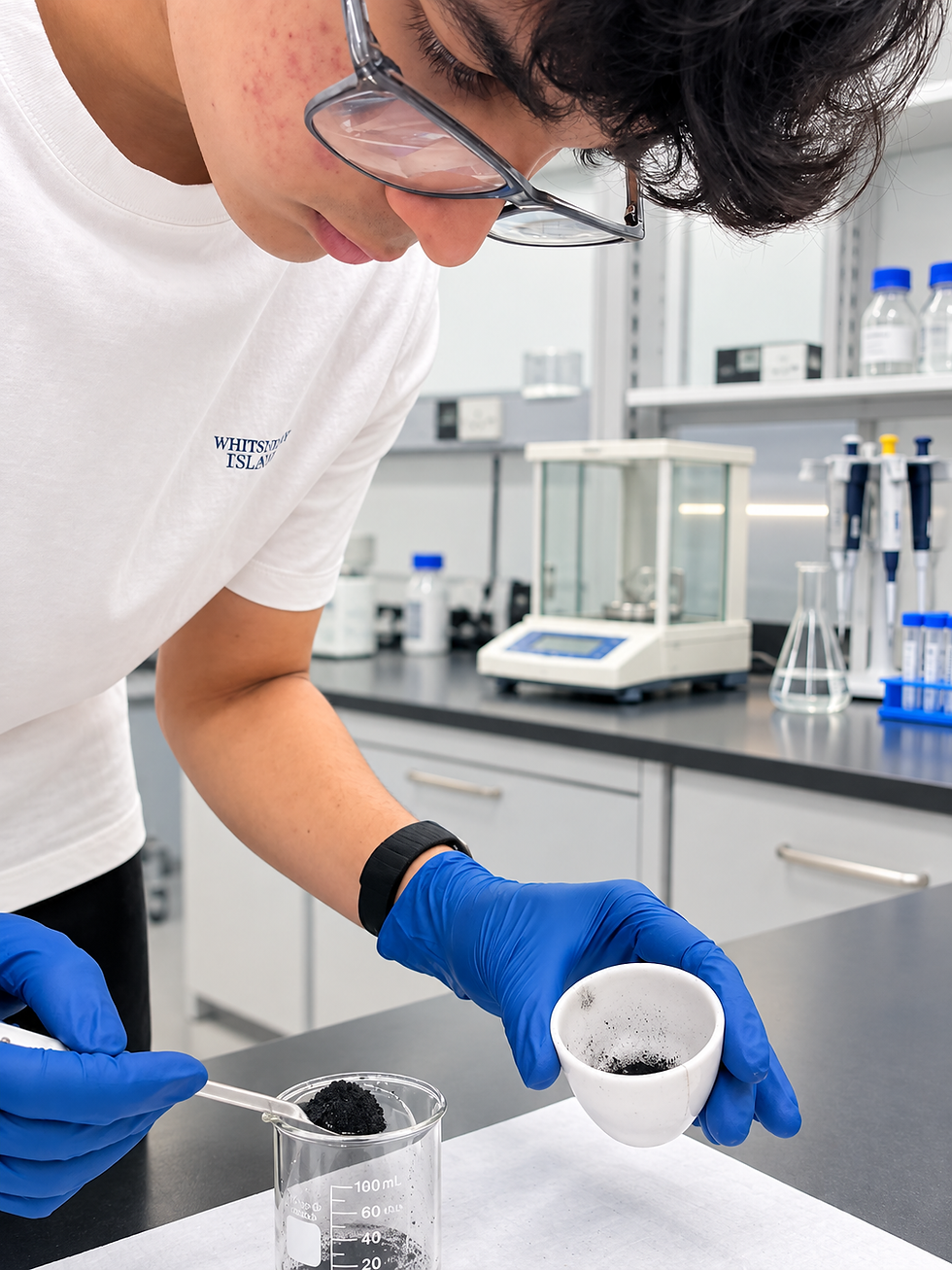
This project explores how discarded flowers from temples, markets, and event waste can be converted into low-cost activated carbon to remove antibiotic residues from contaminated water. Instead of letting floral waste decompose and add to urban waste, the flowers are dried, carbonized, and chemically or thermally activated to create a porous adsorbent material that can trap pharmaceutical pollutants. The activated floral charcoal will then be tested for its ability to adsorb common antibiotic contaminants, such as tetracycline, amoxicillin, or ciprofloxacin, from water samples. A UV-Visible spectrophotometer can be used to measure the antibiotic concentration before and after treatment, allowing the student to calculate removal efficiency, adsorption capacity, and the effect of variables such as contact time, pH, adsorbent dose, and initial antibiotic concentration. The project connects floral waste management with the growing problem of pharmaceutical pollution and antibiotic resistance in water systems.


